
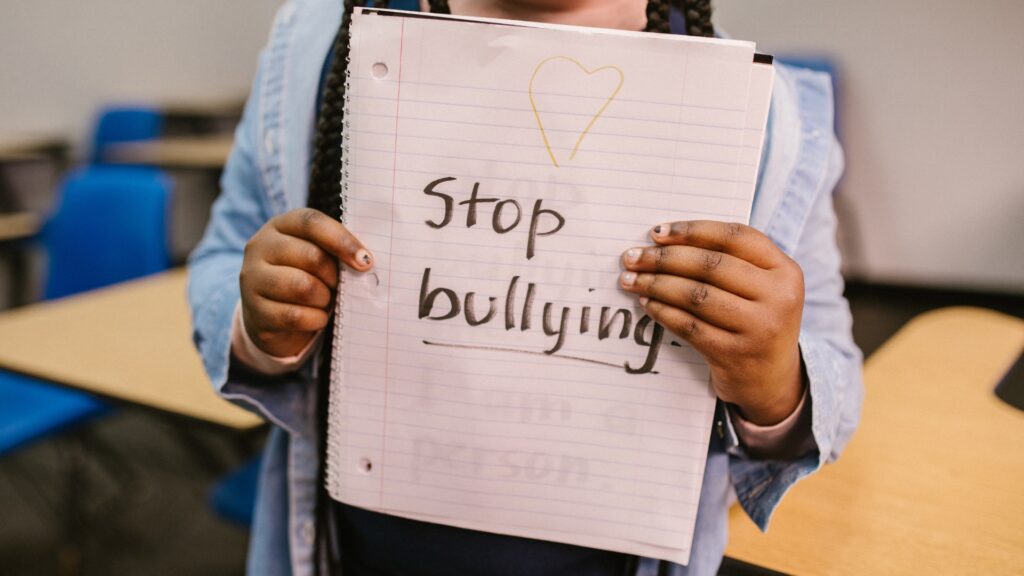
It’s back-to-school season. New backpacks, new teachers, new schedules. But for some kids — and some parents — the start of a new school year comes with a quiet fear: What if this year is like last year?
Bullying is one of those things that can be hard to talk about. Kids don’t always have the words for what they’re going through. And adults don’t always recognize the signs until things have already gotten worse.
If you’re a parent, a caregiver, or even an adult looking back on your own experiences, this one is for you.
What Bullying Actually Looks Like
Most people think of bullying as physical — pushing, hitting, the stuff you see in movies. But most bullying today doesn’t look like that. It looks like:
- Being left out of group chats or social activities on purpose
- Rumors or mean comments circulating online or in class
- Eye rolls, whispers, and social exclusion that are hard to “prove”
- Cyberbullying through text, social media, or gaming platforms
The emotional impact of these experiences is real, even when there are no visible bruises.
How Bullying Affects Mental Health
When a child is being bullied — especially repeatedly — their nervous system is in a state of chronic stress. They’re going to a place that feels threatening, over and over again. Over time, this can lead to:
- Anxiety — worrying about school, avoiding certain places or situations, trouble sleeping
- Depression — low mood, withdrawal from activities they used to enjoy
- Low self-esteem — starting to believe the things being said about them
- Physical symptoms — stomachaches, headaches, and fatigue that have no clear medical cause
Adults sometimes dismiss these signs as “just being sensitive.” But what we know from psychiatry is that prolonged stress in childhood changes how the brain develops and responds to threat. These are not small things.
What Parents Can Do
First: believe your child. If they come to you and tell you something is wrong, the most important thing you can do is take it seriously. You don’t have to have all the answers. Just being a safe place to land is powerful.
Beyond that:
Keep the conversation open. Don’t just ask “how was school?” Try “what was the hardest part of your day?” or “was there anyone who bothered you today?” Specific questions get real answers.
Document what’s happening. If your child reports repeated incidents, keep a simple log — date, what happened, who was involved. This matters if you need to escalate to the school.
Talk to the school. Start with the teacher. If nothing changes, go to administration. You have every right to advocate for your child’s safety.
Watch for mental health symptoms. If your child seems different — more withdrawn, more anxious, not sleeping or eating well — take that seriously. It may be time to talk to a professional.
When It’s Time to Seek Support
If bullying has been going on for a while, or if your child is showing signs of anxiety, depression, or significant distress, speaking with a psychiatric provider or therapist is a healthy and proactive step. You don’t have to wait until things get to a crisis point.
At Hope Restored Behavioral Health Services, we work with adults and families navigating the emotional aftermath of difficult experiences — including childhood trauma, chronic stress, and anxiety that started long before someone came through our doors.
If you’re concerned about yourself or someone you love, we’re here.
Hope Restored Behavioral Health Services provides telehealth psychiatric care for adults in Florida, Texas, New Mexico, and Washington. In-person appointments are also available in South Florida.