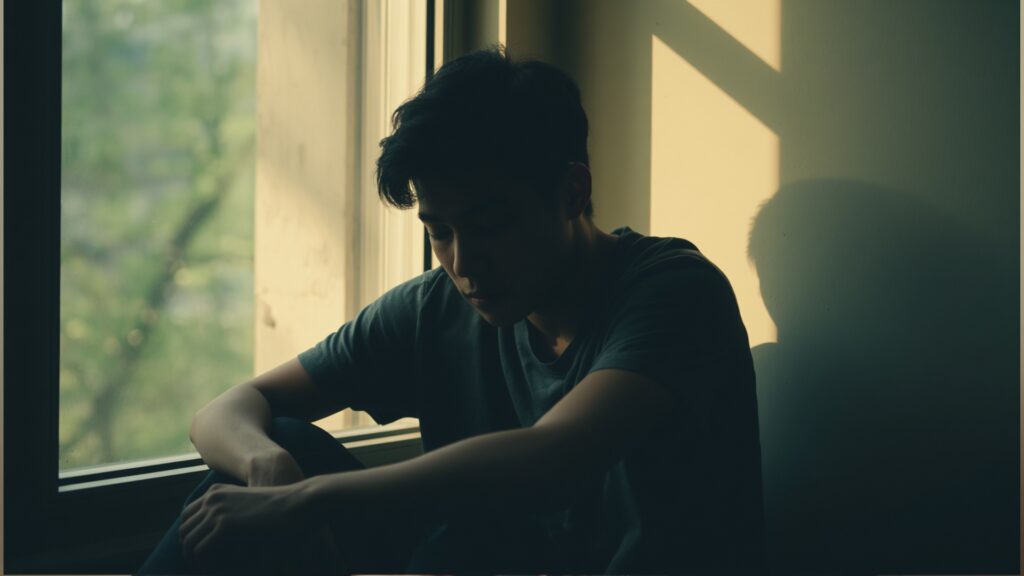
If you’ve been following the news lately, you’ve likely seen stories that are difficult to read. Young people — children — whose bullying experiences escalated into something no family should ever have to face.
These stories are heartbreaking. And they’re also not as rare as we’d like to believe.
This post is not meant to alarm. It’s meant to open a conversation that too many families are having too late — and to share what we know about the connection between bullying and suicide risk so that more people can recognize it before it reaches a crisis point.
The Connection Between Bullying and Mental Health
Research is clear: children and adolescents who are bullied are at significantly higher risk for depression, anxiety, and suicidal ideation than their peers. This is not a character flaw or a sign of weakness. It is a predictable response to chronic, repeated stress.
When a young person is bullied — especially over a long period of time — several things begin to happen: <ul> <li>Their sense of safety disappears. The world stops feeling like a place where they belong.</li> <li>Their self-worth erodes. They start to internalize the things being said about them.</li> <li>Their social connections weaken. Isolation — whether imposed by bullies or chosen to avoid them — cuts them off from the very relationships that protect mental health.</li> <li>Their future starts to feel hopeless. When every day is about surviving the next interaction, it becomes hard to imagine things ever getting better.</li> </ul>
This is the trajectory that, left unaddressed, can lead to crisis.
What Makes It Harder to See
Bullying today often happens in spaces adults can’t see — group chats, social media, online gaming platforms. A child can be experiencing significant harassment without a single adult in their life knowing about it.
They may not say anything because they’re embarrassed. Because they’ve been told to toughen up. Because they don’t think anyone can help. Because the bully has threatened them. Or simply because they don’t have the words.
This is why what children don’t say matters as much as what they do.
Watch for the warning signs we covered in our last post — withdrawal, changes in eating or sleeping, giving away possessions, talking about hopelessness or being a burden. These signs apply to young people too, and they deserve to be taken seriously at any age.
What Families Can Do
Create consistent openings for conversation. Not just “how was school?” but specific, gentle questions. “Was there anyone who made you feel bad today?” “Is there anything at school that’s been hard lately?” Make it clear that no answer will get them in trouble.
Believe them. If a child tells you they’re being bullied, the most important thing you can do is take it seriously. Do not minimize it. Do not tell them to ignore it. Believe them.
Involve the school early. Document incidents. Escalate if needed. Know your rights as a parent to advocate for a safe environment for your child.
Get professional support. If your child is showing signs of depression, anxiety, or significant distress, please don’t wait. A psychiatric evaluation can identify what’s happening and create a path forward. Early intervention changes outcomes.
A Word to Adults Who Were Bullied
Some of you reading this are parents or caregivers who carry your own wounds from childhood experiences you never fully processed. This month, I want to acknowledge you too. What happened to you was real. It may have shaped more than you realize.
If those old experiences are surfacing, or if you’ve been struggling with depression or anxiety that you’ve never fully addressed — you deserve support too. It’s not too late.
<a href=”https://hoperestoredbhs.com/schedule-consultation”>Schedule a free consultation →</a>
If you or someone you know is in crisis, call or text 988 — the Suicide & Crisis Lifeline — available 24/7.
Hope Restored Behavioral Health Services provides telehealth psychiatric care for adults in Florida, Texas, New Mexico, and Washington. In-person appointments are also available in South Florida.